
Tooth Extraction
Tooth Extraction Brisbane, Fortitude Valley
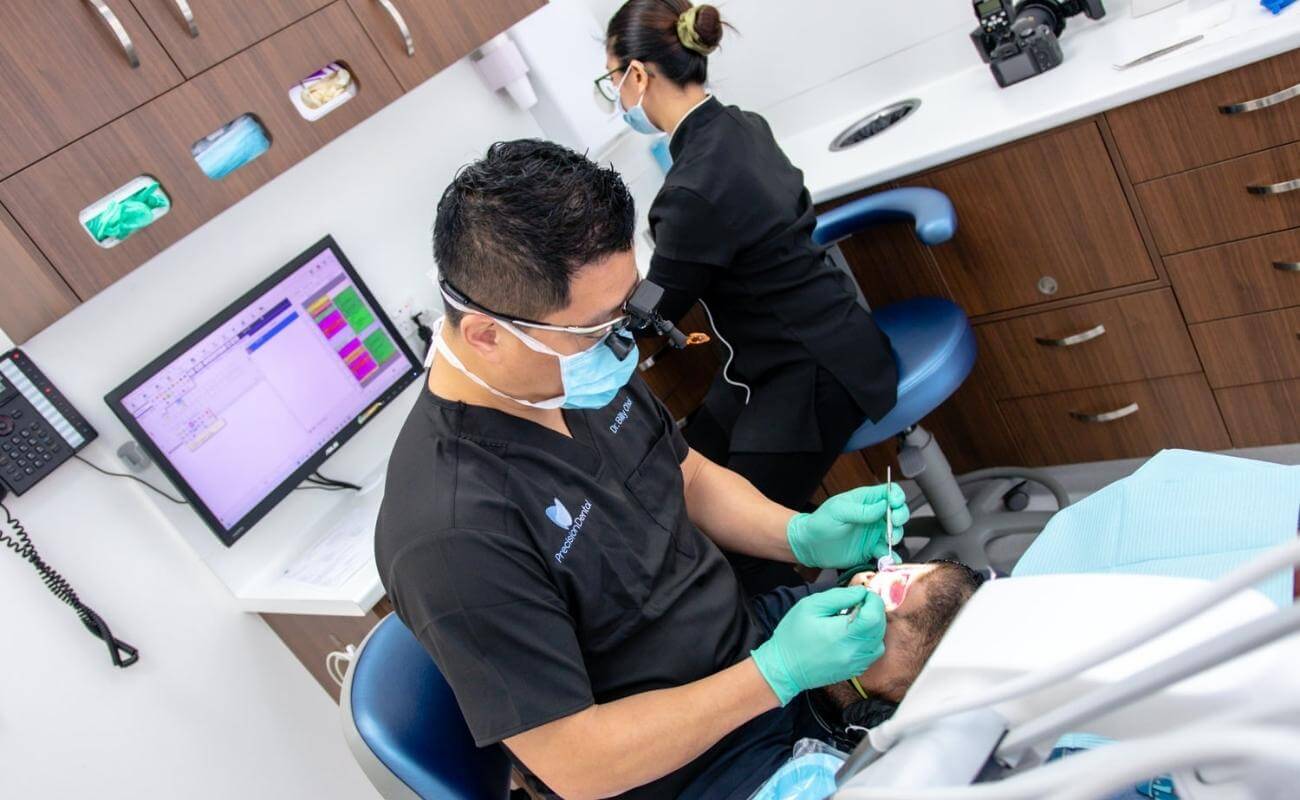
Having a tooth removed is nobody’s idea of a good time. But situations arise that make tooth extraction the best, and sometimes, only option available.
At Precision Dental, your trusted Cosmetic Dentistry brisbane in Fortitude Valley, we want our patients to enjoy a healthy, attractive, full set of the original teeth and we do our utmost to preserve and improve the strength and beauty of everyone’s natural dental assets.
In the past, pulling teeth was the nuclear option, the cure-all treatment, for many dental conditions. Thanks to modern, scientific dental practices, it is now possible to repair the vast majority of dental problems without losing the original tooth.
Tooth extraction is one of the most basic and fundamental of all dental procedures. It may not be as glamorous as some contemporary dental procedures, but it is still a common procedure that every dental professional should be able to perform efficiently and safely.
Common Situations That Call For Tooth Removal
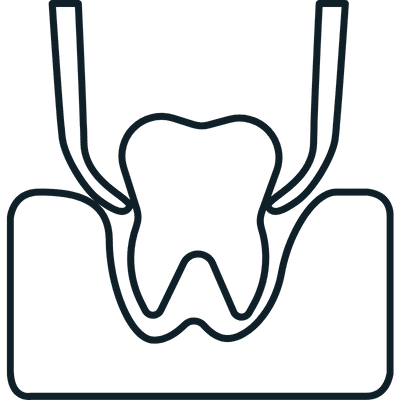
Impaction of wisdom teeth
Will It Hurt? Of Course … NOT!
The most painful part of the procedure will be the minor discomfort from the application of the local anaesthetic.
The professionals at Precision Dental will make this part of the procedure as mild as humanly possible.
The anaesthetic will numb the entire area of the extraction so that the actual tooth removal will be painless.
Download Free Price List
Download Free Price List
Recovery
In general, recovering from an extraction procedure is easy and simple.
Your recovery will depend on the ease or severity of your particular procedure. The more complex or difficult your extraction was, the longer your recovery will take.
We will guide you through all of the procedures, and even in more severe cases, recovery is not something to worry about.
We will give you precise instructions on how to care for your mouth post-procedure, to facilitate the safest and fastest recovery possible. Follow the instructions diligently.
Most people recover from all pain in one or two days. After about a week, most people can stop taking special considerations with the extraction zone and return to eating and drinking normally.
Should any unexpected problems occur, we are always ready to re-examine you and take whatever steps necessary to make sure that any problems are dealt with quickly and safely. Your health is our highest priority.
Risks and Recovery
Possible risks include:
- Pain, swelling or bruising after the procedure
- Minor bleeding during the initial healing period
- Risk of infection at the extraction site
- Dry socket, where the blood clot dislodges and delays healing
- Nerve injury, depending on the location of the tooth
Recovery considerations:
- Initial healing usually occurs within one to two weeks
- Rest and avoiding strenuous activity for the first 24 hours can support recovery
- Soft foods and gentle oral hygiene are recommended in the early days
- Following aftercare instructions helps reduce the risk of complications
Things You Should Tell Your Dentist Before A Tooth Extraction
Usually having a tooth pulled is a very safe procedure without any complications.
However, as with any medical procedure, there is the possibility of complications under some conditions.
So inform your dentist about all of the following:
If you have any phobias (extreme fear) of tooth extraction or dental procedures
Frequently Asked Questions
What are the main risks after a tooth extraction?
Dentist Fortitude Valley: Areas We Serve

Tooth Extraction in Fortitude Valley

Call us on (07) 3852 1160 or simply book your appointment online.
We are located at S13, HQ South Tower, 520 Wickham St in Fortitude Valley.
Disclaimer: The material posted is for informational purposes only and is not intended to substitute for professional medical advice, diagnosis or treatment. Results vary with each patient. Any dental procedure carries risks and benefits. If you have any specific questions about any dental and/or medical matter, you should consult your dentist, physician or other professional healthcare providers.