Full Mouth Rehabilitation Clinical Case in Slacks Creek
Can full mouth rehabilitation address congenitally missing teeth in Slacks Creek?
Case Note ID: Feb-2025-FMR-CMT
Location: Precision Dentistry (serving the Slacks Creek area)
Primary Treatments: Full mouth rehabilitation with porcelain veneers, crowns, and fixed bridges
Supporting Technology: Digital treatment planning, comprehensive occlusal analysis, custom ceramic fabrication
Presenting Clinical Problem
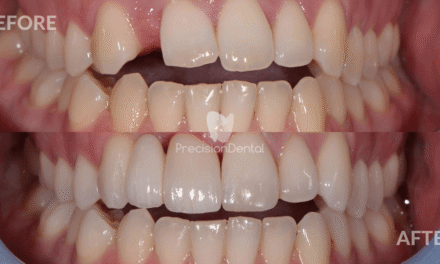
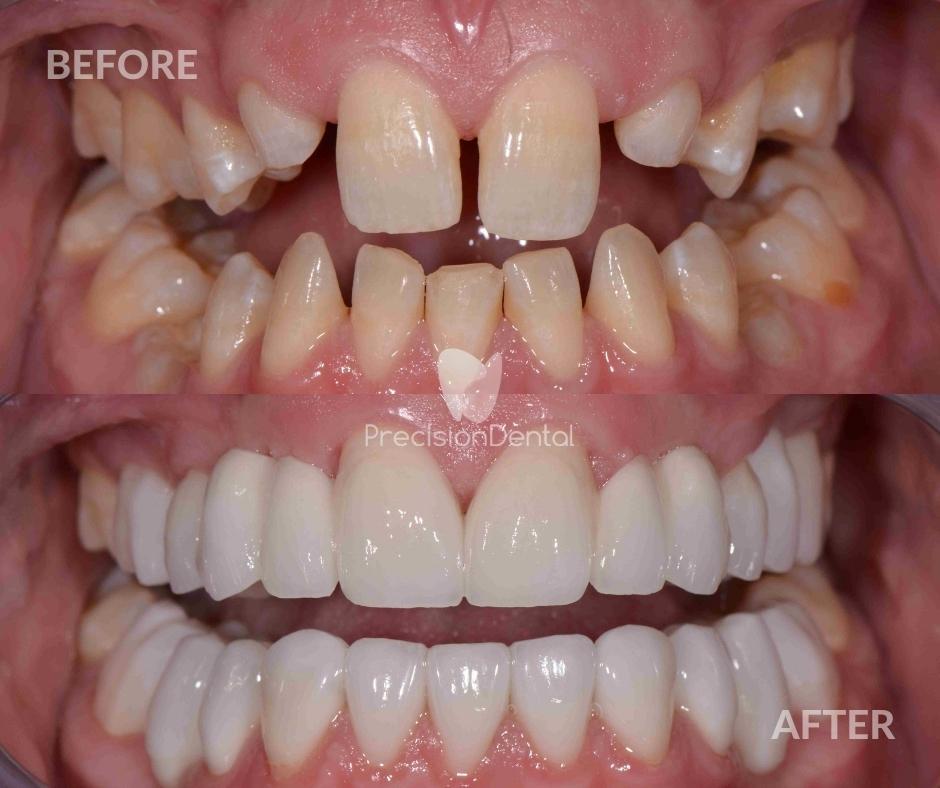
A patient presented with multiple congenitally missing teeth requiring comprehensive oral rehabilitation with the following clinical considerations:
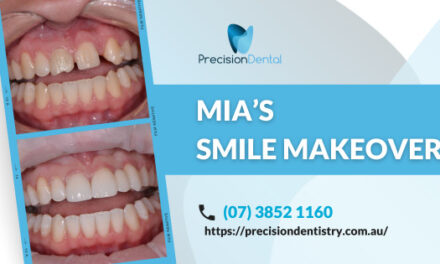
- Congenitally absent permanent teeth (hypodontia) with significant spacing
- Multiple diastemata affecting anterior and posterior dentition
- Compromised masticatory function
- Irregular tooth sizes and positions
- Limited previous dental care history
- Psychosocial concerns related to dental appearance
The primary clinical objective was to restore complete dentition, establish functional occlusion, and address spacing issues through comprehensive fixed prosthetic rehabilitation.
Treatment Plan & Clinical Process
A comprehensive, phased treatment approach was developed:
Phase 1: Diagnostic Planning
Comprehensive examination including radiographic assessment, occlusal analysis, and digital treatment planning. Assessment of existing tooth positions, spacing patterns, and occlusal relationships. Development of treatment plan to address congenitally missing units and redistribute spacing. Discussion of treatment options including implants, fixed bridges, and direct space closure.
Phase 2: Prosthetic Preparation
Sequential preparation of teeth requiring crowns, veneers, or serving as bridge abutments. Provisional restorations placed to establish appropriate occlusal relationships and test aesthetic parameters. Multiple try-in appointments for verification of fit, function, and aesthetics.
Phase 3: Definitive Rehabilitation
Fabrication and placement of permanent crowns, veneers, and fixed bridges to restore complete dentition. Occlusal refinement to establish stable intercuspal position and functional movements. Patient education on maintenance requirements for extensive fixed prosthodontics.
Treatment incorporated principles of biological preservation where possible, occlusal stability, and comprehensive replacement of missing tooth positions through fixed prosthetic approaches.
Clinical Outcome
Individual responses to extensive prosthodontic treatment vary significantly based on existing tooth conditions, occlusal forces, oral hygiene maintenance, and biological factors. Results experienced by one patient do not necessarily reflect outcomes others may experience. Complications can include ceramic fracture (3-10% over 5-10 years), margin deterioration, secondary decay, pulpal complications requiring root canal therapy, loss of abutment teeth, and need for future replacement. Extensive crown and bridge work is not reversible as significant tooth structure is permanently removed. Regular professional maintenance, meticulous home care, and potential future repairs or replacements should be expected.
Frequently Asked Questions for Slacks Creek Patients
What are the treatment options for congenitally missing teeth?
Multiple options exist including dental implants (where bone permits), fixed bridges using adjacent teeth as abutments, removable partial dentures, or orthodontic space closure where applicable. Treatment selection depends on age, bone availability, position and number of missing teeth, condition of adjacent teeth, occlusal relationships, and patient factors. Each approach has distinct advantages, limitations, costs, and maintenance requirements. Comprehensive treatment planning with appropriate imaging is essential before determining the optimal approach.
What are the long-term maintenance requirements?
Extensive fixed prosthodontics require professional maintenance every 3-6 months, meticulous daily hygiene with specialised cleaning aids (floss threaders, interdental brushes, water flossers), potential adjustments or repairs over time, and eventual replacement. Porcelain can chip or fracture, particularly under heavy occlusal forces. Margins can develop decay if hygiene is inadequate. Bridge pontics require careful cleaning beneath to prevent gingival inflammation. Average crown and bridge survival is 85-95% at 10 years, though individual outcomes vary significantly. Costs for maintenance and replacement should be considered in treatment planning.
What are the risks and limitations of full mouth rehabilitation?
Extensive prosthodontic treatment carries risks including tooth sensitivity, pulpal complications requiring root canal therapy (5-10% of crowned teeth), ceramic fracture, margin deterioration, secondary decay, loss of abutment teeth (particularly for bridges), occlusal complications, and temporomandibular joint symptoms. Tooth preparation is irreversible and removes significant natural structure. Not all patients achieve the same functional or aesthetic results. Treatment time, complexity, and costs are substantial. Some patients may experience difficulty adapting to changed occlusal relationships or aesthetics. Future maintenance and replacement are generally required.
Disclaimer: The material posted is for informational purposes only and is not intended to substitute for professional medical advice, diagnosis or treatment. Results vary with each patient. Any dental procedure carries risks and benefits. If you have any specific questions about any dental and/or medical matter, you should consult your dentist, physician or other professional healthcare providers.
Services We Mentioned:
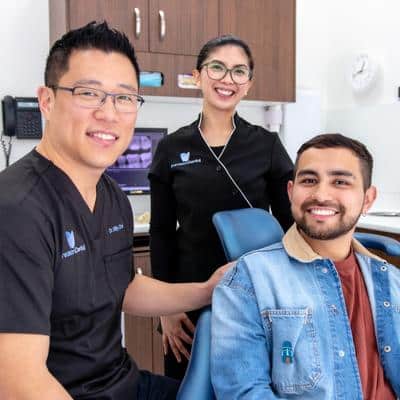
Smile Makeover
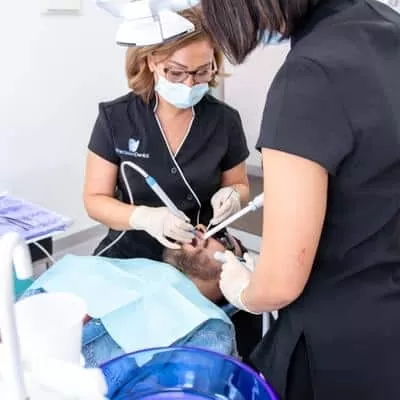
Dental Crowns & Bridges
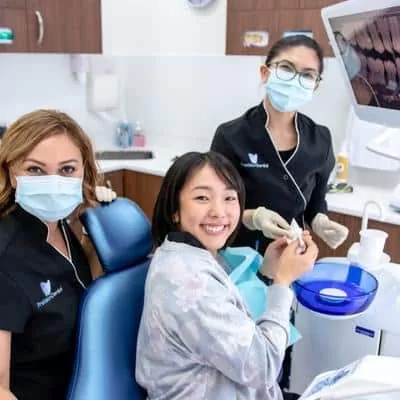
Dental Check-Up and Clean
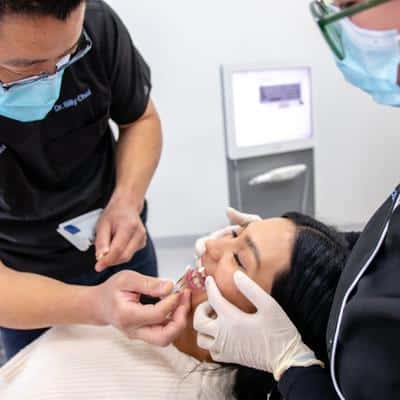
Porcelain Veneers
More Client Journeys